
In my post on cooking from scratch I talked about my great-grandparents and how they grew up with a mindset from the Great Depression. They grew most of what they ate and had a huge garden. They grew berries, beans, corn, tomatoes, peas, and so much more. What did they do with it all? They preserved it. This is becoming a lost art and yet still a very important one. Maybe more important now than ever in our lifetimes. I want to teach you some practical ways to preserve your food. Some are obvious but others might surprise you.
Freezing
It sounds self-explanatory. We have mostly all grown up with a freezer. Possibly several. You slap the leftovers or vegetable in plastic and toss it in. Sometimes it is that simple! However there are more options as well.
Why do we have to cover food to freeze it? Mostly to prevent freezer burn and preserve nutrients. In artic places of the world it’s also to prevent animals from finding it when meat is frozen outside of the home.
What did our relatives use to freeze food before plastic? Meat was historically wrapped in hides or leather in our ancient history. Which is still used in parts of the world today. Wax paper was also very common. Butchers today use a wax-coated paper for meat that freezes well. Other things foods were frozen in were tin, glass, baskets or wooden boxes.
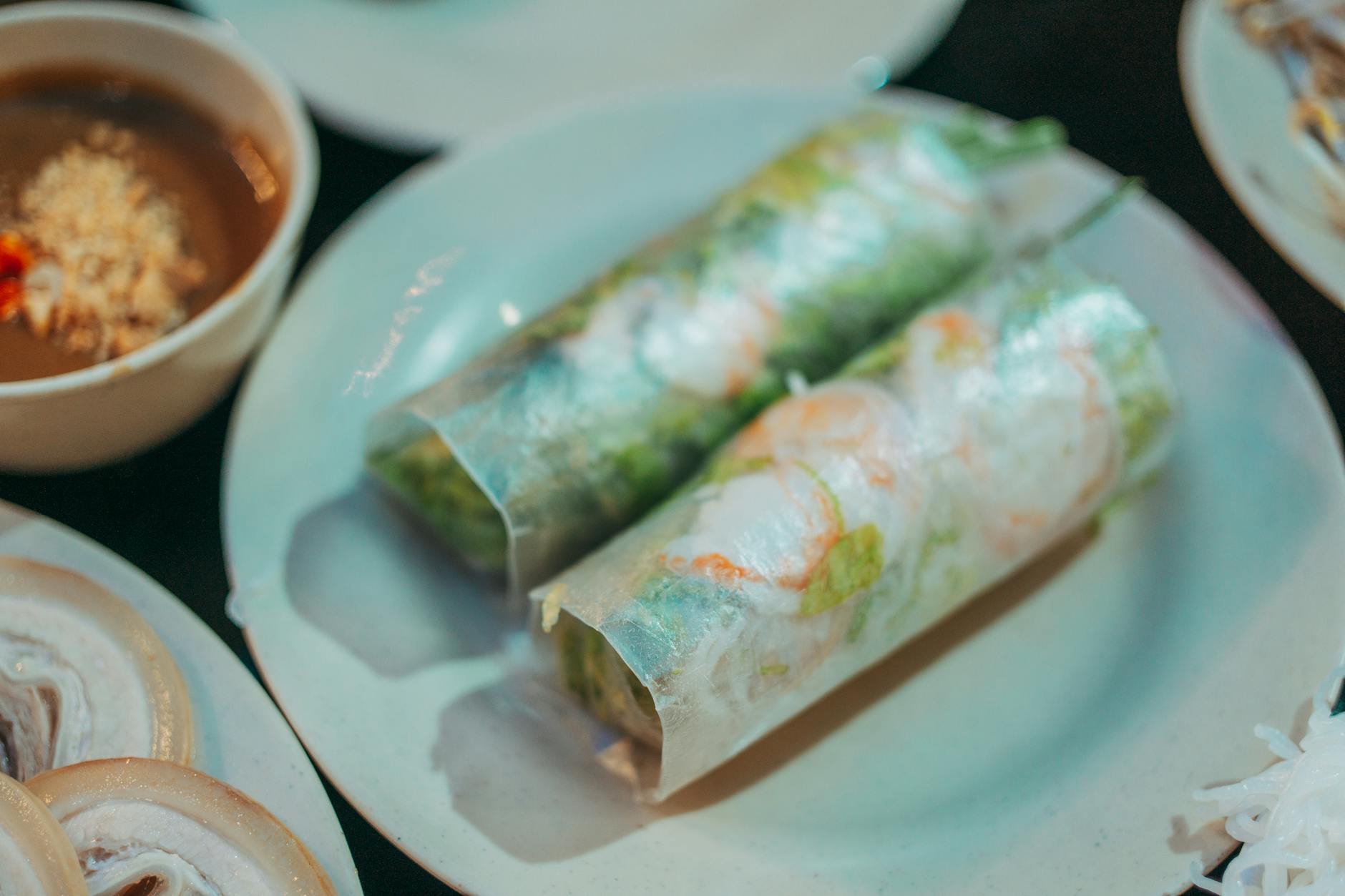
What foods can you freeze? Any kind of food will freeze, whether it goes bad or tastes good once you thaw it is the question. What I can tell you is that pasta doesn’t always freeze the best. It often breaks up into mush when thawed and reheated. Some breads freeze great, others not as much.
Things I regularly freeze to make last longer that might surprise you: butter (I buy in bulk when its on sale), cheese (can get crumbly fyi), banana bread, sushi (we make our own batches and freeze them), soups (fantastic to reheat in the slow cooker or Instant Pot), and many other freezer meals. Go on an internet search for free freezer meal recipes. My favorite is stew. So good reheated!
Drying/Dehydrating
Another popular method of preserving food is taking out all the moisture aka dehydrating or drying. My great-grandma did this with herbs, fruits and some meats. This can be done in an oven, with a dehydrator or for some things just the sun or just hanging it upside down.
What are the pros and cons of this method? Dried and dehydrated foods are fairly easy to store. They also last a really long time. When was the last time you replaced your herbs and spices? I will not be answering that question. Some of mine don’t even have an expiration date on them. As long as they don’t get wet, they can last for years. The cons are that dehydrating foods can make them brittle and fall apart easily. I have eaten the dust that is leftover in my dried bags of strawberries, however. It’s still delicious and can be mixed into things. Another con is that it can take a long time. Dehydrating lemon slices took my little dehydrator that could three days of drying.
What foods can be dehydrated? This method is primarily for what you grow and meat. There are exceptions. I have made delicious venison jerkey, lots of fruits (even berries), lots of vegetables, and herbs. Even soup mixes and some fun recipes out there. Leftovers are not typically dehydrated but if you can prove me wrong I’d love to hear about it in the comments below.
Canning
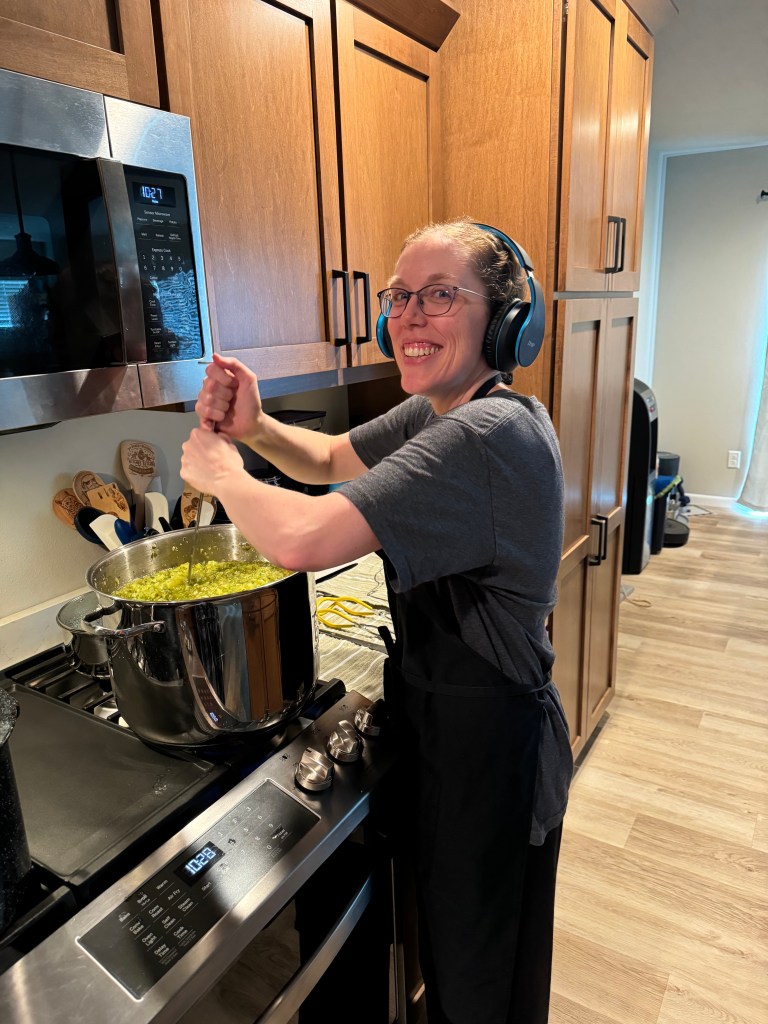
Canning is one of personal favorite ways to preserve foods. At home foods are preserved using pressure and/or heat to kill bacteria, remove oxygen, and safely store foods for years. There are too many things that can be canned to list. For example, I recently learned you can “can” milk. What?! I love canning so much, I will be making an entire future post about it. Stay tuned. Here’s me canning pickle relish.
Pickling/Fermenting
I can’t talk about canning and not mention this one. According to Wikipedia pickling is “the process of preserving or extending the shelf life of food by either anaerobic fermentation in brine or immersion in vinegar”. Fermenting according to Cambridge dictionary is “to change chemically through the action of living substances, such as yeast or bacteria, or to use a substance to produce a chemical change” (https://dictionary.cambridge.org/us/dictionary/english/ferment).
Even though it’s called pickling it’s not just for pickles. Most vegetables, harder fruits and even pickles and watermelon rinds can be preserved by pickling them. This is often done in glass jars at home and canned.
Common foods that can be made or stored through fermenting are wine, cheese, yoghurt, kefir, sauerkraut, sourdough bread, kombucha, kimchi, certain meats and more. In recent years, eating fermented foods has been popularized as it’s a great way to restore healthy gut bacteria. Something modern cultures need now more than ever.
Salting
What do you think of when I ask what is your favorite salty food? Mine is potato chips. My absolute favorite binge snack. Part of that is I have chronic low blood pressure. I need more salt than the average person.
Why do we salt food though? Salt not only preserves food it also enhances flavor. Salt has been used for thousands of years to preserve food. It draws the moisture out and kills bacteria at the same time. Food can even be brined by soaking it in salt water.
What foods can be stored with salt? Meats is the most popular one historically. Without refrigeration salting or dehydrating were the main options for centuries. There are two methods to cure meat in salt. Dry curing (literally storing in salt) or brining (storing in a salt water solution). Both should be stored in a cool dry place such as the refrigerator or a cellar in an air-tight container. For certain meats curing salt (sodium nitrite or nitrate) is used to prevent botulism (especially pork products and sausage). After either method the meat should be thoroughly rinsed and cooked well to prevent illness. Follow all safe guidelines. If done properly, meat preserved this way can last for months or even years for certain meats.
Vacuum Packing
A newer method of food preservation is by using a vacuum sealer. Vacuum sealing removes oxygen from the package. Which prevents bacteria from growing. It is often combined with other storage methods. Such as vacuum sealing meat before storing it in the freezer. However, it is also used for snack items that are pre-cooked or just stored this way to keep them fresher such as nuts.
Other Methods
Food preservation is easy in modern society. However, all over the world there are places that have very unique ways of storing there food to make it last longer and get them through the year with enough food to feed themselves and there families.
For example there are tons of ways to store eggs. The most common method is to do absolutely nothing to them and store them in cartons or shredded paper. Why? When chickens lay eggs they have a coating on them they helps prevent them from spoiling. In fact many countries in the world do not refrigerate them at the grocery store at all because they sell them unwashed. Here are some others:
- Lime Water
- Oiling (Mineral oil)
- Freezing
- Salting
- Dehydrating (aka powdered eggs)
- Pickling
The next time you have eggs, remember they don’t have to spoil if you can’t use them right away. Find a way to preserve them for later.
This goes for so many foods we waste. If you buy too many carrots, freeze half before they go bad. Strawberries getting to the end, dehydrate them. Old apples, make applesauce and freeze it. I could go on all day. Food preservation can help save money, save time later, and waste much less food.
What foods have you preserved in your past? How did you?
I love this. The irony of learning, I feel, is that the more we learn, the less we really know.…

 The Sides to a Story
Leave a comment